
To further refine the undergraduate talent training system, strengthen the development of foundational courses and experimental teaching, and advance AI-enabled education and instruction, Professor Wang Wei, Dean of the School of Chemistry and Chemical Biology at Eastern Institute of Technology (Ningbo), led a team to conduct a special research visit on undergraduate education at the School of Chemistry and Chemical Engineering, Shanghai Jiao Tong University on September 24, 2026. The two sides held in-depth discussions covering talent training models, curriculum system development, reform of experimental teaching, teaching team building, and AI-enabled undergraduate education.
Professor Li Xinhao, Vice Dean in charge of undergraduate education, and Professor Wang Shengyao, Assistant Dean of the School of Chemistry and Chemical Engineering at Shanghai Jiao Tong University, together with course leads for physical chemistry, inorganic chemistry, analytical chemistry, organic chemistry and laboratory courses, as well as teaching administrators, attended the exchange. Representing the School of Chemistry and Chemical Biology, Eastern Institute of Technology (Ningbo) were Dean Wang Wei, Xu Qinghua, Vice Dean for Research, Yu Peng, Vice Dean for Teaching, and leads of relevant foundational and experimental courses.
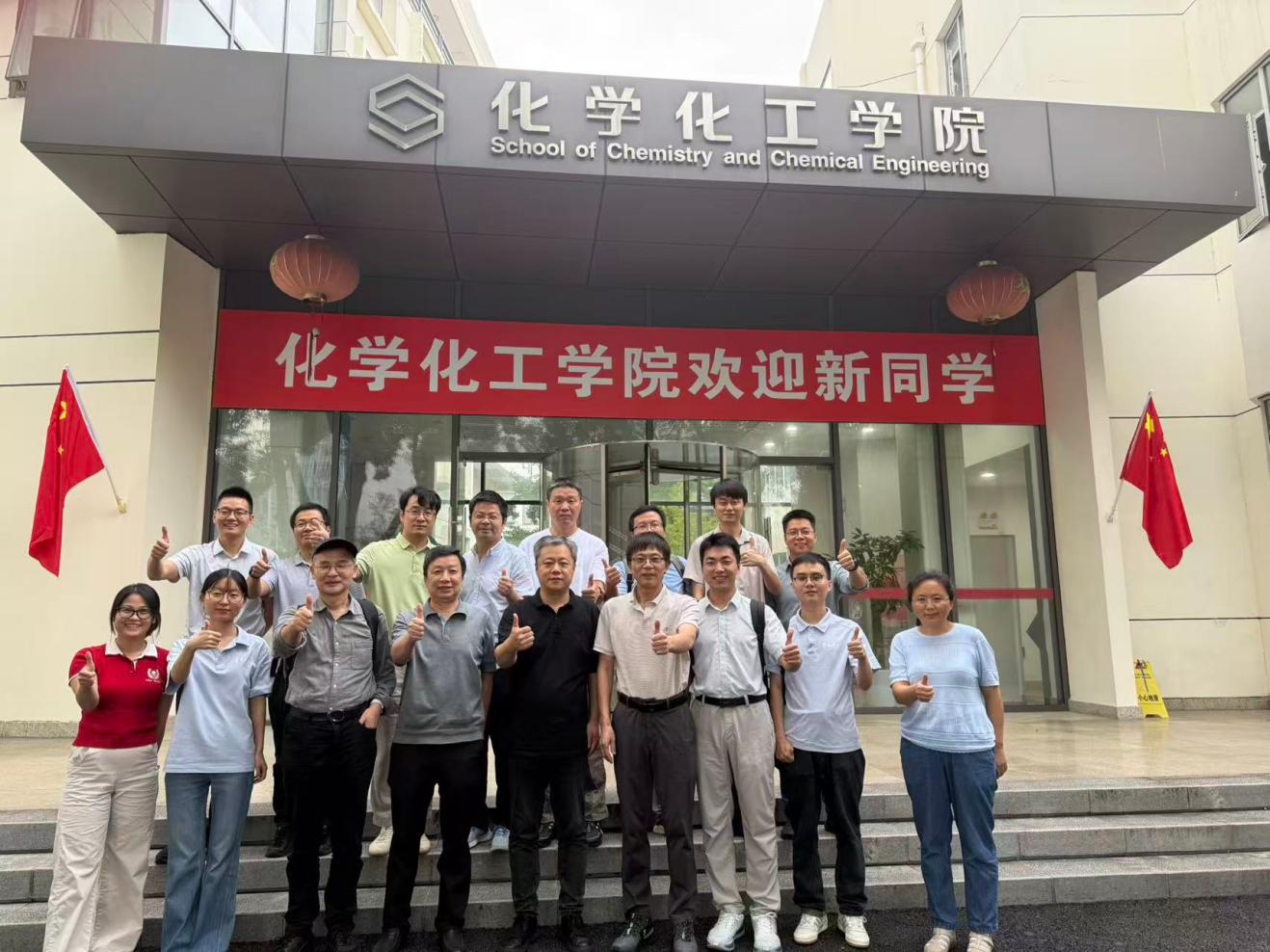
At the exchange session, Professor Wang Wei introduced the development of the School of Chemistry and Chemical Biology at Eastern Institute of Technology (Ningbo), with a focus on its educational positioning, disciplinary and research strengths, faculty composition, and undergraduate and postgraduate training systems. He noted that the school is at a critical stage of fully establishing its undergraduate teaching framework. Drawing on advanced practices from top-tier universities nationwide, the school aims to build a high-level chemistry talent training system with distinct characteristics, aligned with the university’s positioning of being high-caliber foundation, compact yet distinguished, research-oriented, and globally engaged.
Professor Li Xinhao and relevant course leads systematically presented the undergraduate talent training and curriculum development work of the School of Chemistry and Chemical Engineering at Shanghai Jiao Tong University. Participants exchanged detailed views on the design and logical progression of General Chemistry, Inorganic Chemistry, Organic Chemistry, Analytical Chemistry, Physical Chemistry and their corresponding laboratory courses. Tailored to the characteristics of different majors and training objectives, Shanghai Jiao Tong University implements tiered and categorized teaching with differentiated design in content, depth and delivery methods. Coordinated sequencing across courses is prioritized to enhance the coherence and systematic nature of talent cultivation.
Experimental teaching constituted a key focus of this visit. Discussions covered experimental curriculum frameworks, lab content design, laboratory safety, and the staffing of instructors and teaching assistants. Shanghai Jiao Tong University has established a progressive experimental teaching framework following the pathway of basic training → comprehensive experiments → design-based experiments. Pedagogies including PBL, flipped classrooms, group discussions and student presentations are adopted to foster students’ practical skills, scientific thinking and innovation capacity, while integrating laboratory instruction with cutting-edge research.
The two sides also exchanged insights on new models of AI-enabled undergraduate education. Shanghai Jiao Tong University has actively developed smart courses and AI-assisted teaching, exploring applications in self-directed learning, curriculum resources, pre-lab preparation and learning assessment. Topics including AI learning companions, smart classrooms and AI-supported experimental teaching were discussed, offering valuable references for the school’s future deep integration of artificial intelligence and chemistry education.
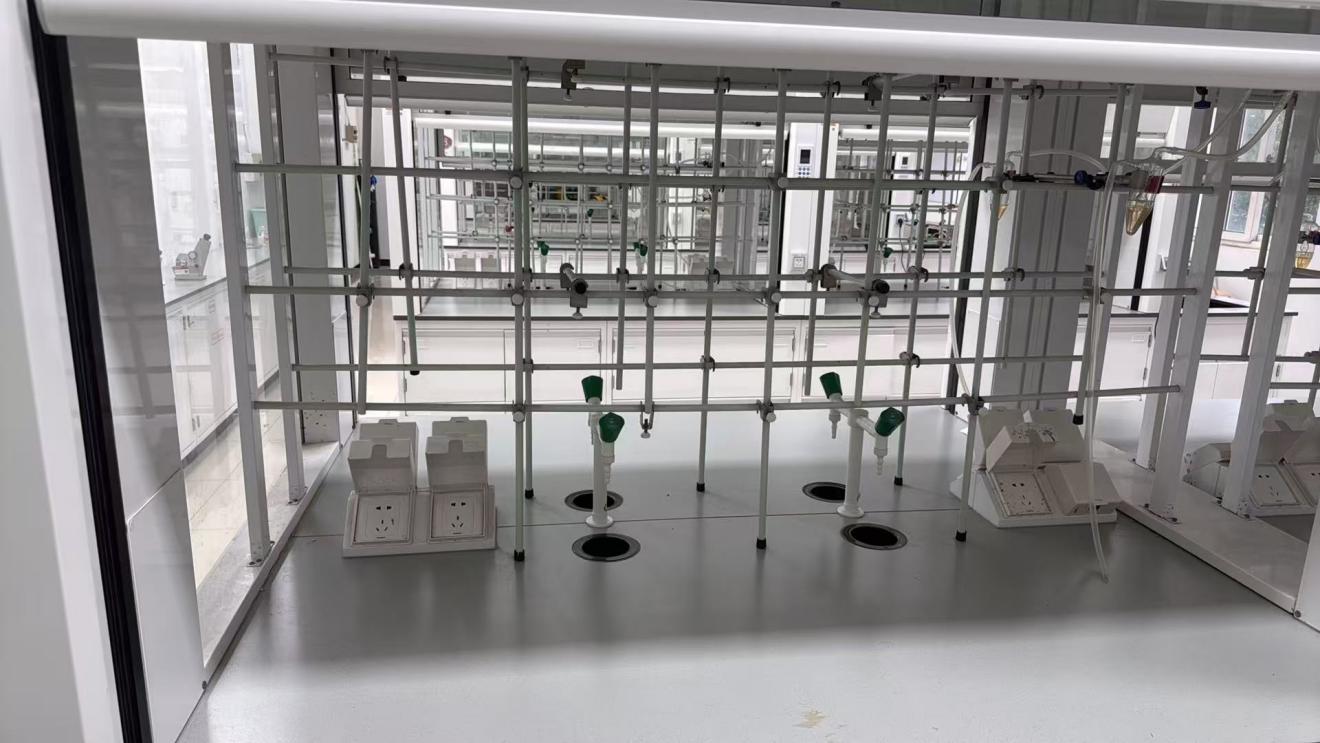
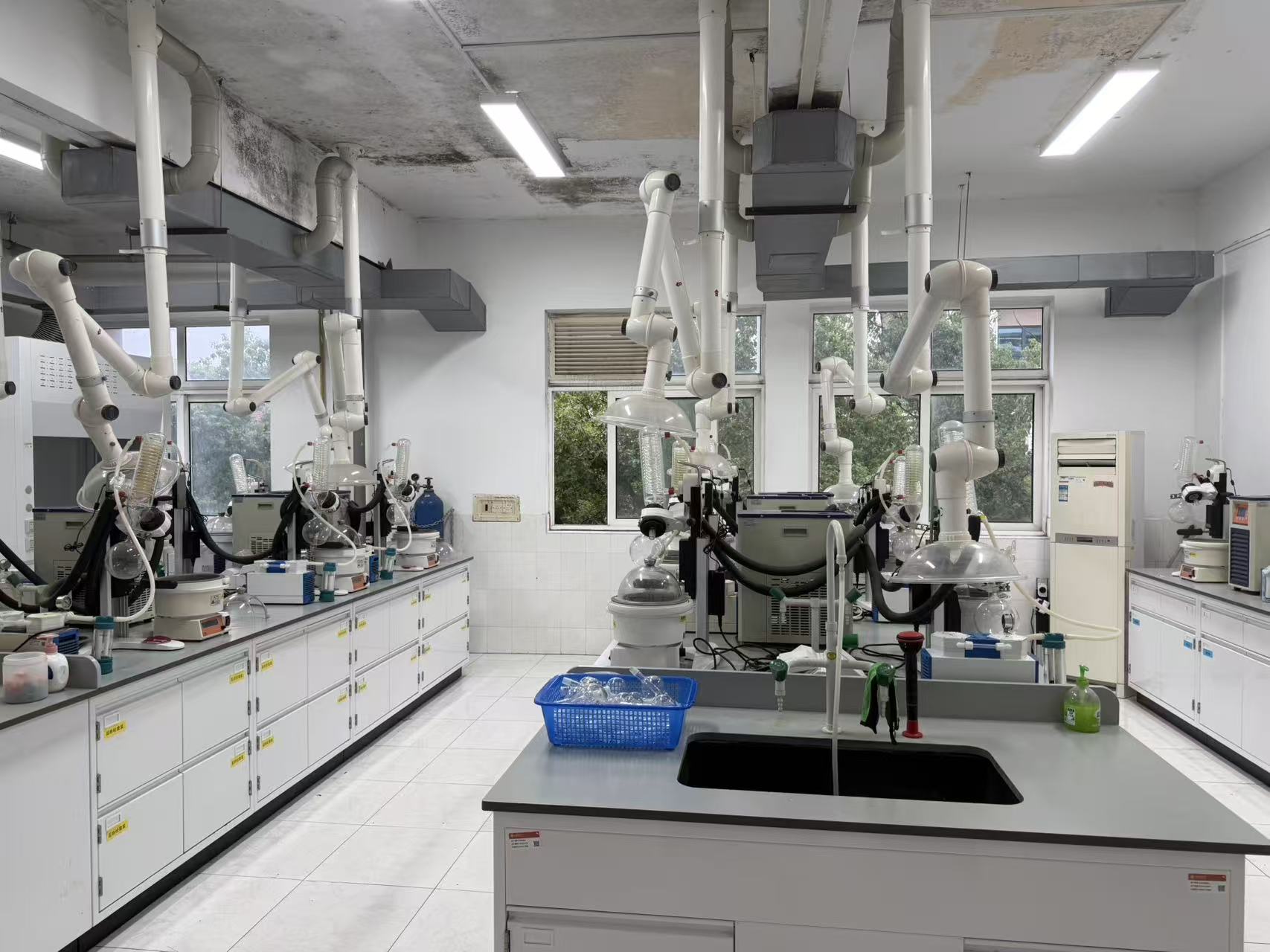
This visit deepened mutual understanding between the two schools in undergraduate talent training and teaching development. Moving forward, the School of Chemistry and Chemical Biology will refine the top-level design of undergraduate teaching, optimize its foundational curriculum system, improve the progressive experimental teaching framework, promote AI-enabled instruction, and translate research strengths into high-quality undergraduate teaching resources, so as to continuously improve the quality of innovative talent training.

 Calendar
 Newsletter
 Contact Us
 Principal's Mailbox
 Bidding Procurement